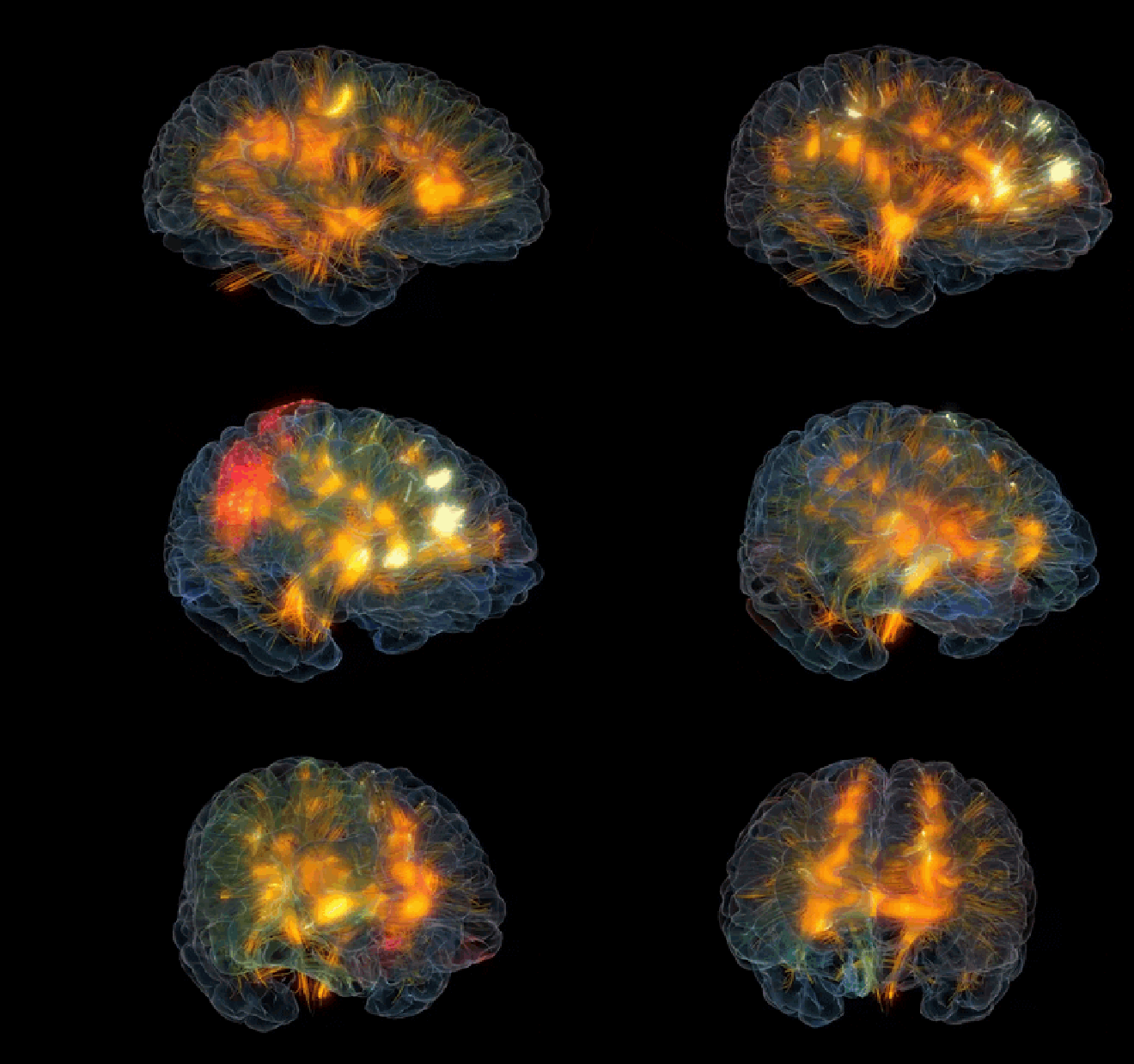

You’re on the savanna. A lion is low in the grass, weight forward, eyes on something you can barely make out. For a long moment nothing moves. Then, almost before you’ve caught up, he’s sprinting.
What flipped the switch? Often something tiny: a flicker in the prey’s posture, the feeling that he’s been seen. One second he’s near-still; the next he’s in full pursuit, the brain juggling movement, space, and a moving target all at once.
How does a brain flip between two totally different state so fast? One theory is that neuron networks hang out near a quasi-critical state, so a tiny change in sensory input can snowball into a big change of brain activity.
The video below explain very well the criticality theory.